
Blog
Pharmacopoeial Requirements for Laboratory Balances
Pharmacopoeial requirements for laboratory balances: standards, verification, calibration, IQ OQ PQ qualification, daily check log, and balance installation.
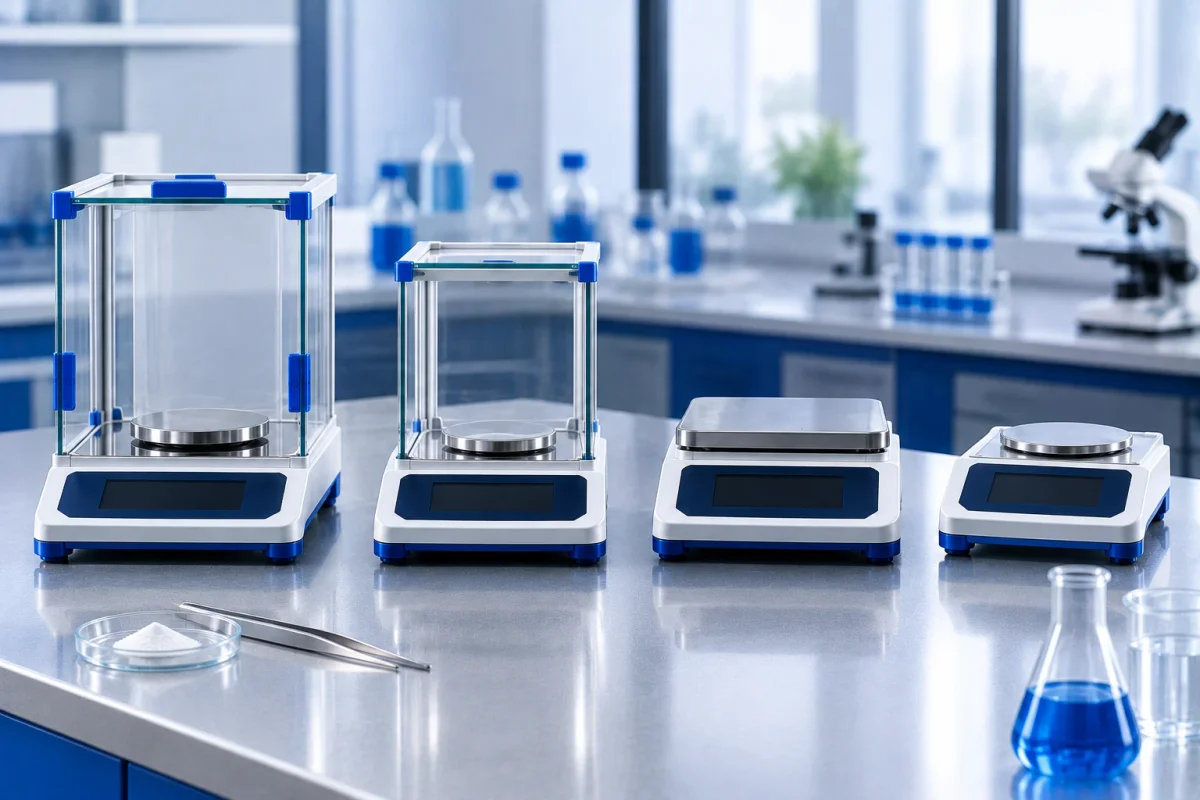
Sartorius Laboratory Balances for Every Task
Sartorius laboratory balances: what sets analytical and precision models apart, 0.1 mg readability, how to choose a lab balance, calibration and setup.
What Is the Minimum Sample Weight and Why It Matters
What minimum sample weight is, how to calculate it, how it differs from readability and error, which balance you need, and how to check your instrument in 15 minutes.
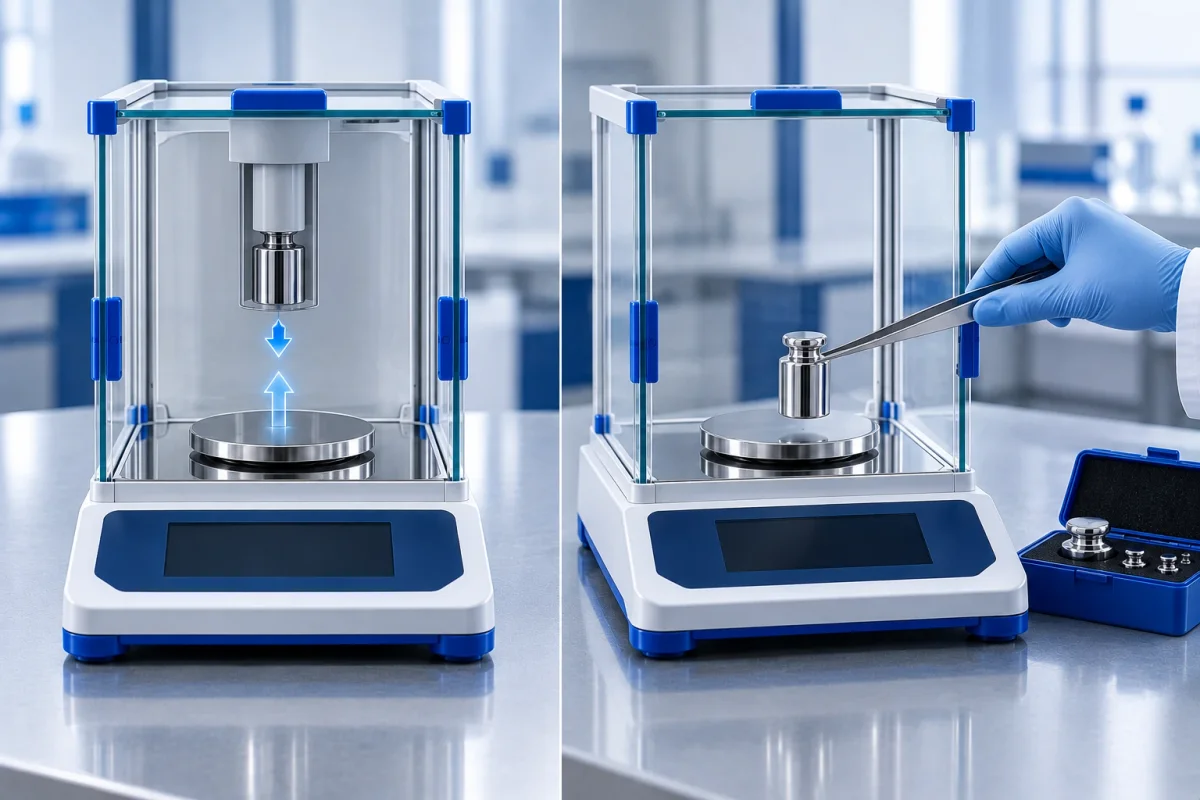
Internal vs. External Calibration of Balances: What's the Difference?
Internal vs. external calibration of balances: how automatic and manual calibration differ, how often to calibrate, weighing accuracy, and verification of laboratory balances.
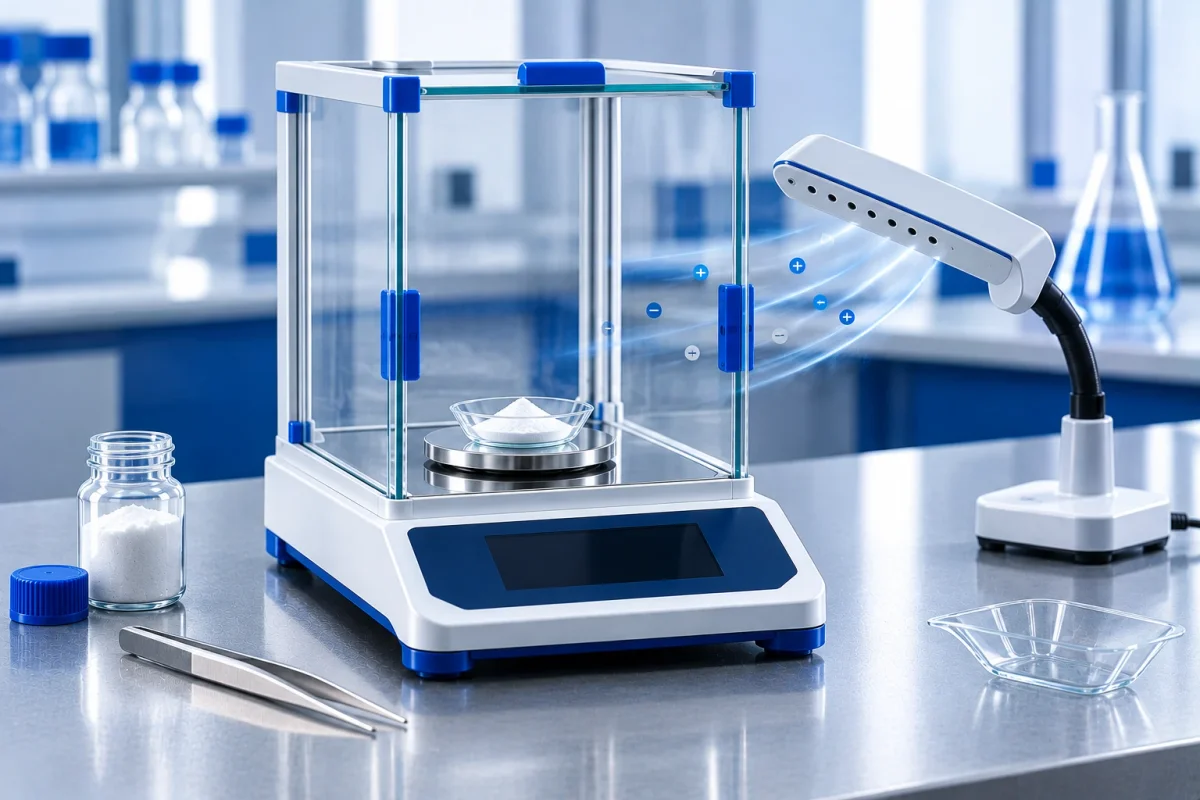
How to Eliminate Static Electricity When Weighing
Eliminate static electricity when weighing: grounding laboratory balances, antistatic mat, air ionizer for balances, and humidity control.
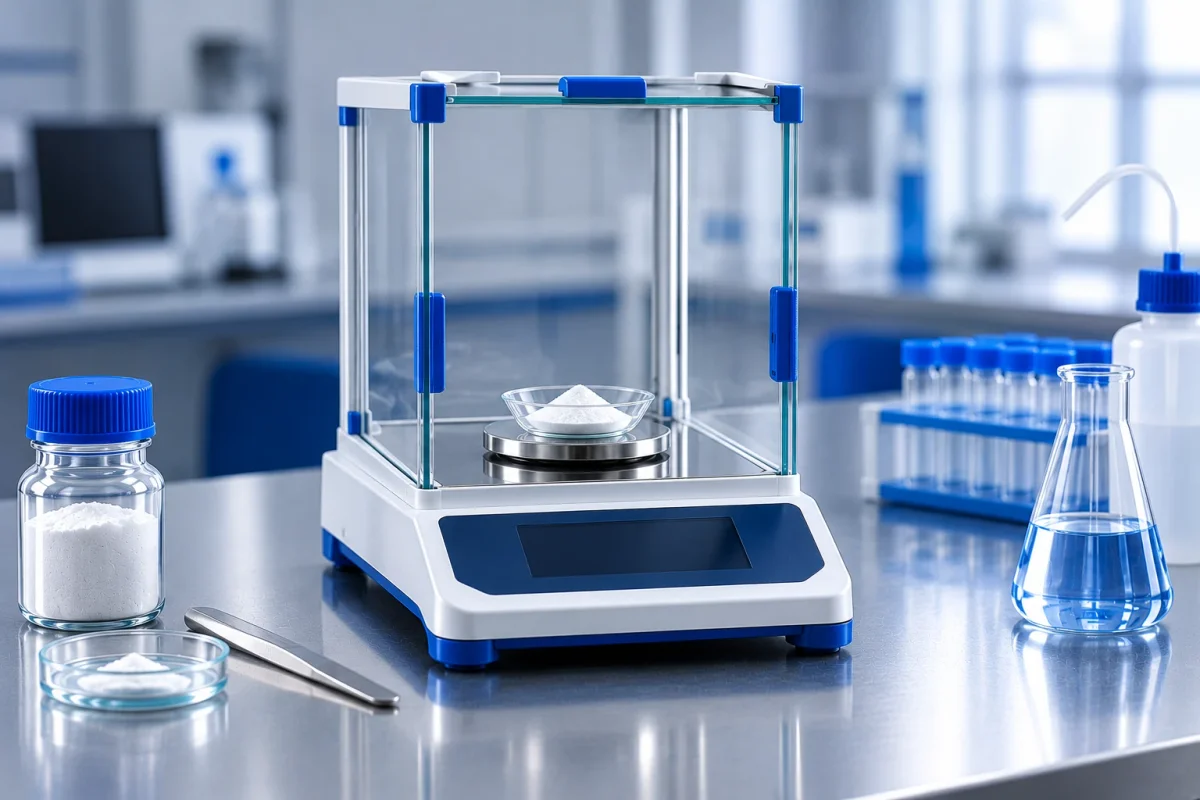
Why Your Scale Readings Are Unstable and How to Fix It
Why does your scale give unstable readings? We break down the causes: vibration, drafts, static, sensor wear. How to eliminate instability and when to call for service.
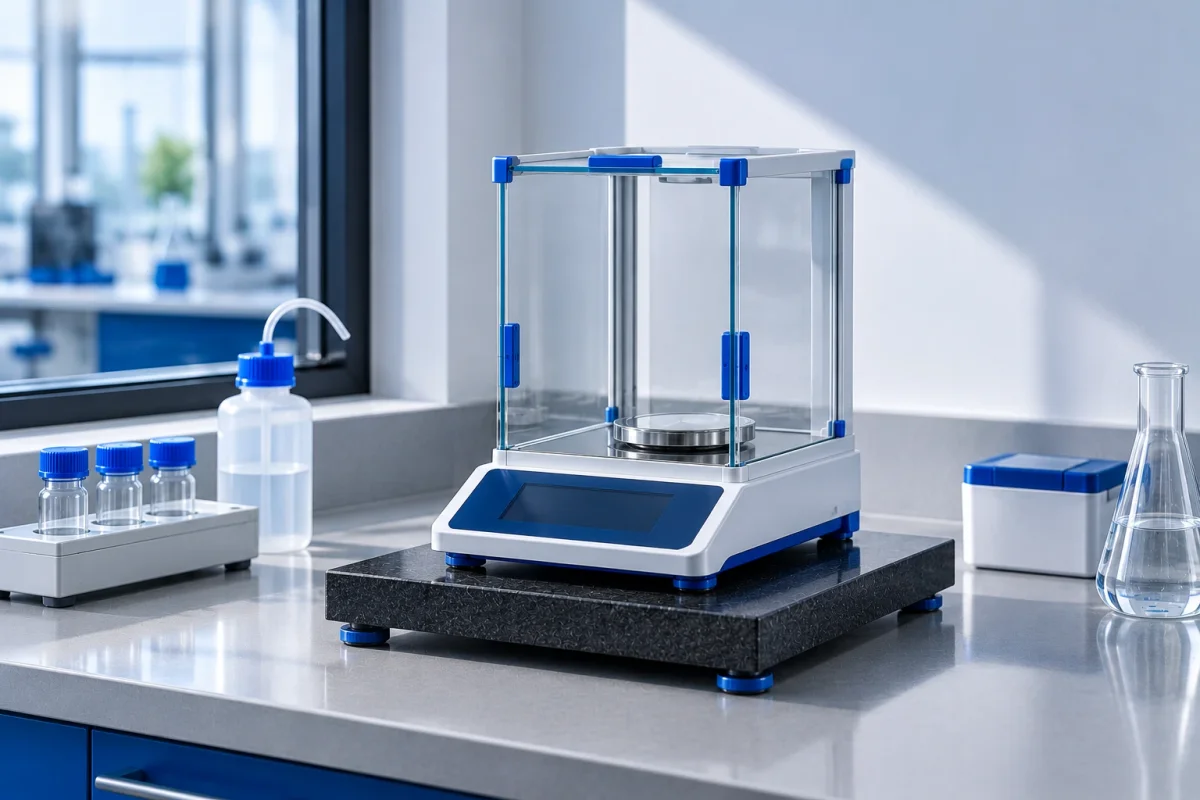
How to Set Up Analytical Balances the Right Way
How to install analytical balances correctly: room requirements, choosing the right bench, protection from vibration and drafts, leveling, warm-up, and calibration.
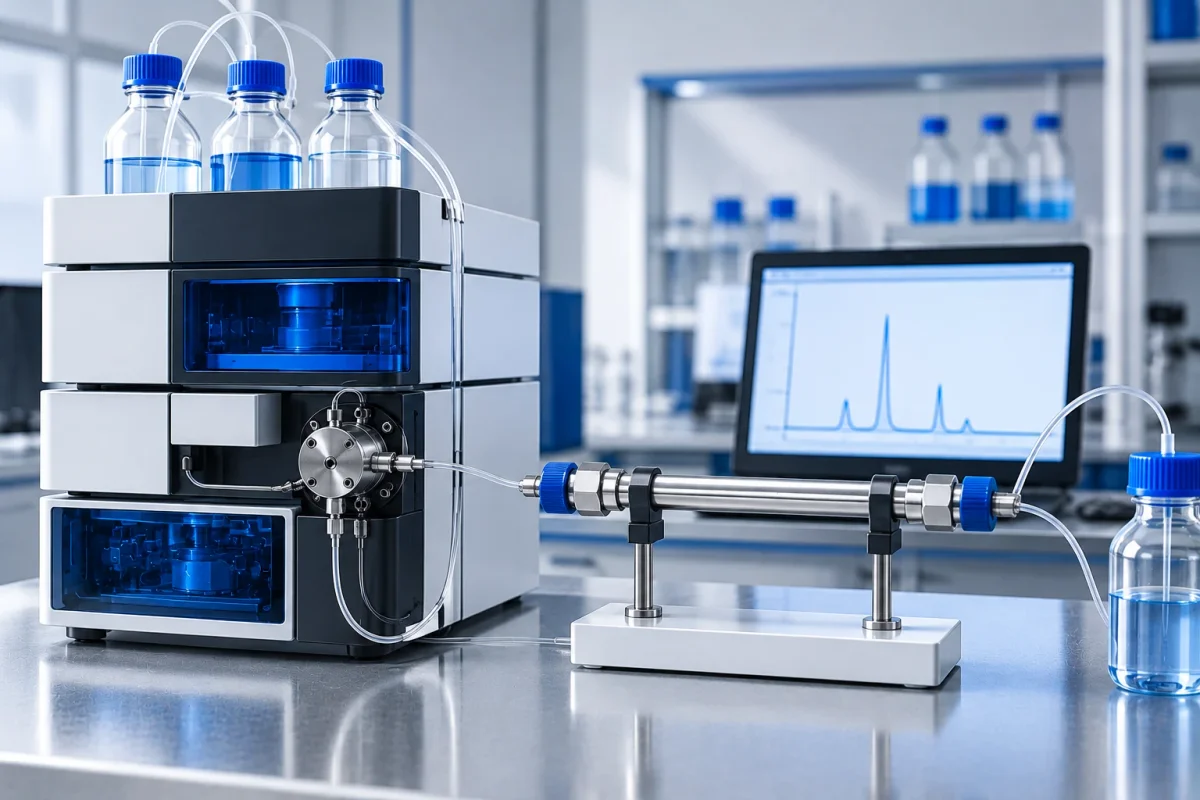
How HPLC Liquid Chromatography Works
How HPLC liquid chromatography works: a breakdown of high-performance liquid chromatography, the components of an HPLC system, mobile and stationary phases, and the parameters that ensure reproducible results.
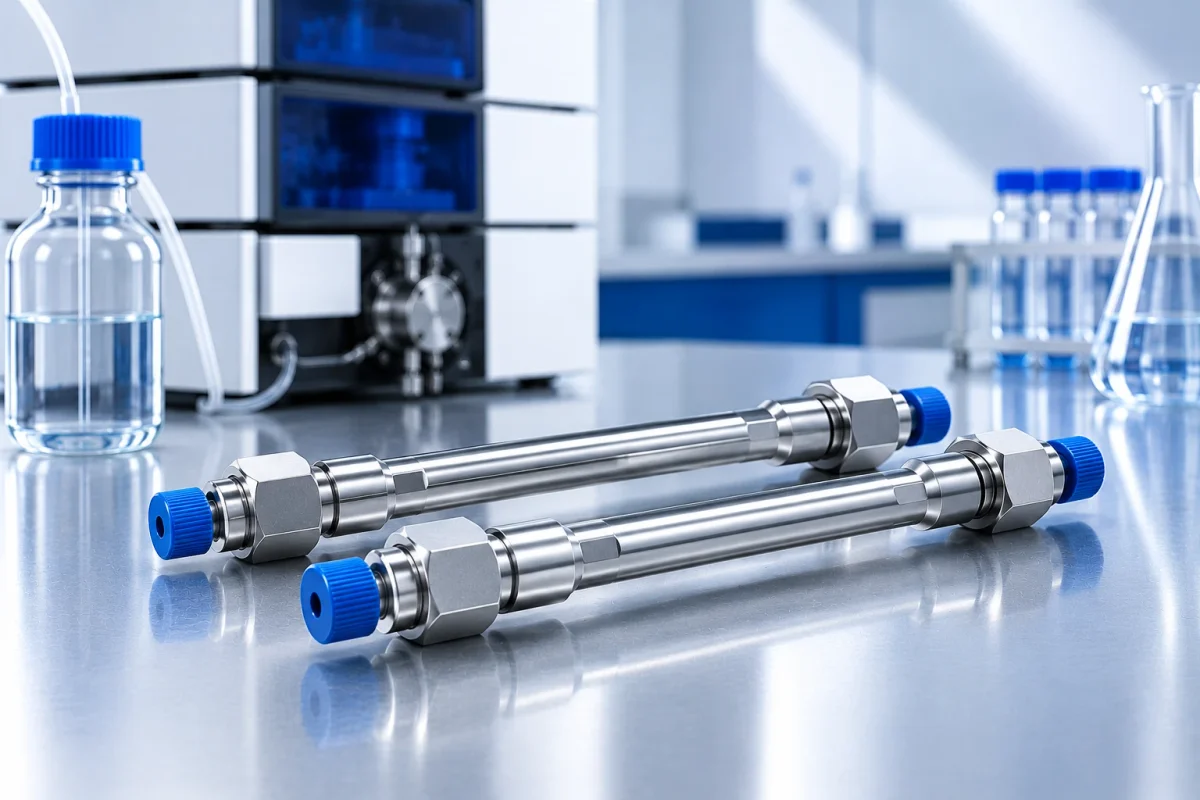
C18 vs C8 Columns: Differences, Selection, and Method Transfer
C18 vs C8 columns: differences in the bonded layer, retention and selectivity, phase selection, endcapping, pH stability, and an HPLC method transfer checklist.
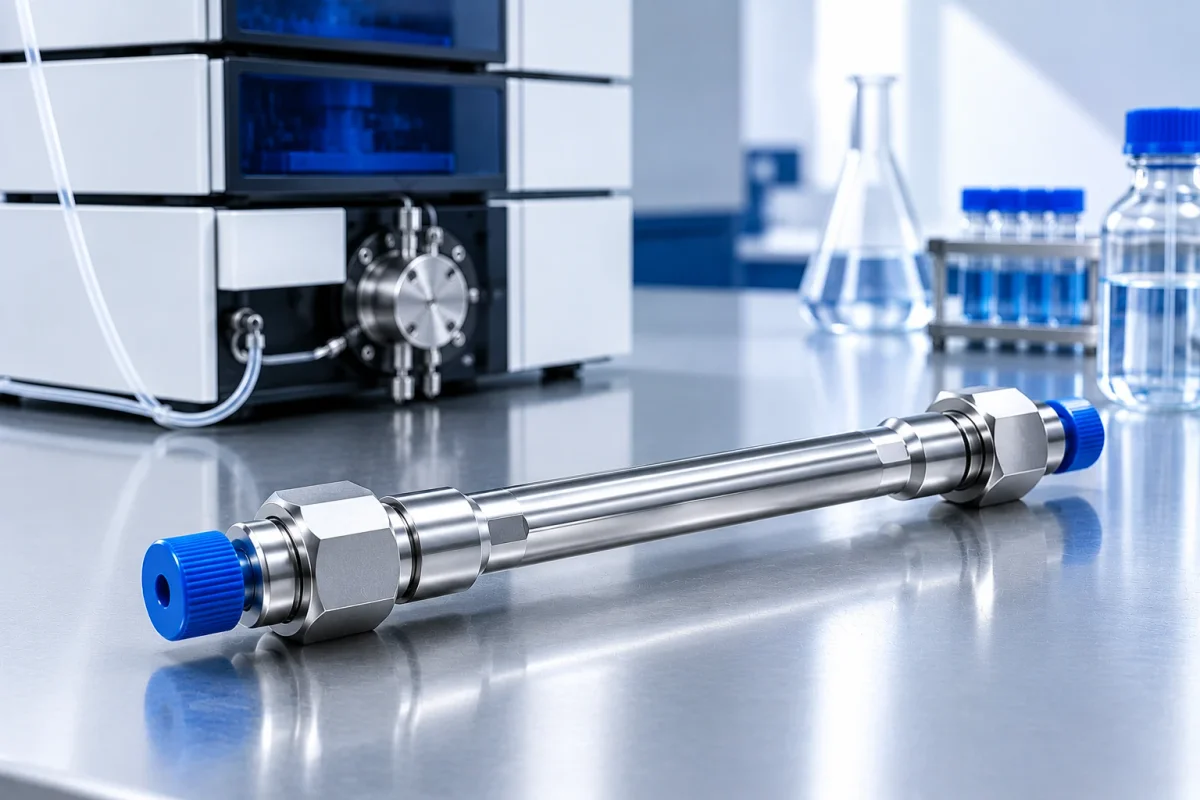
How to Choose a C18 HPLC Column
How to choose a C18 HPLC column for your method: particle size, pore size, length and diameter, endcapping, column pH range, and pressure check — with an ordering checklist.
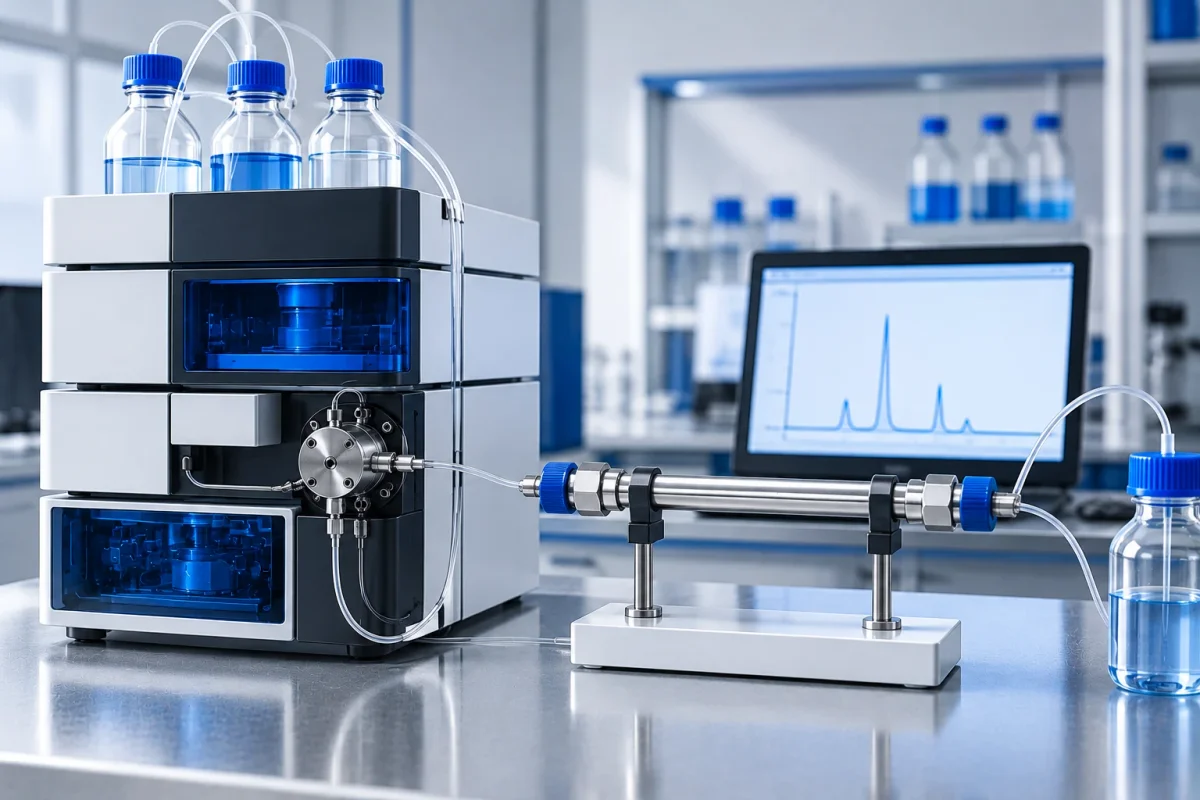
Causes of Pressure Build-Up in HPLC
Causes of pressure build-up in HPLC: a clogged mobile phase filter, buffer salt precipitation, worn pump seals, or a blocked HPLC column. Step-by-step troubleshooting.
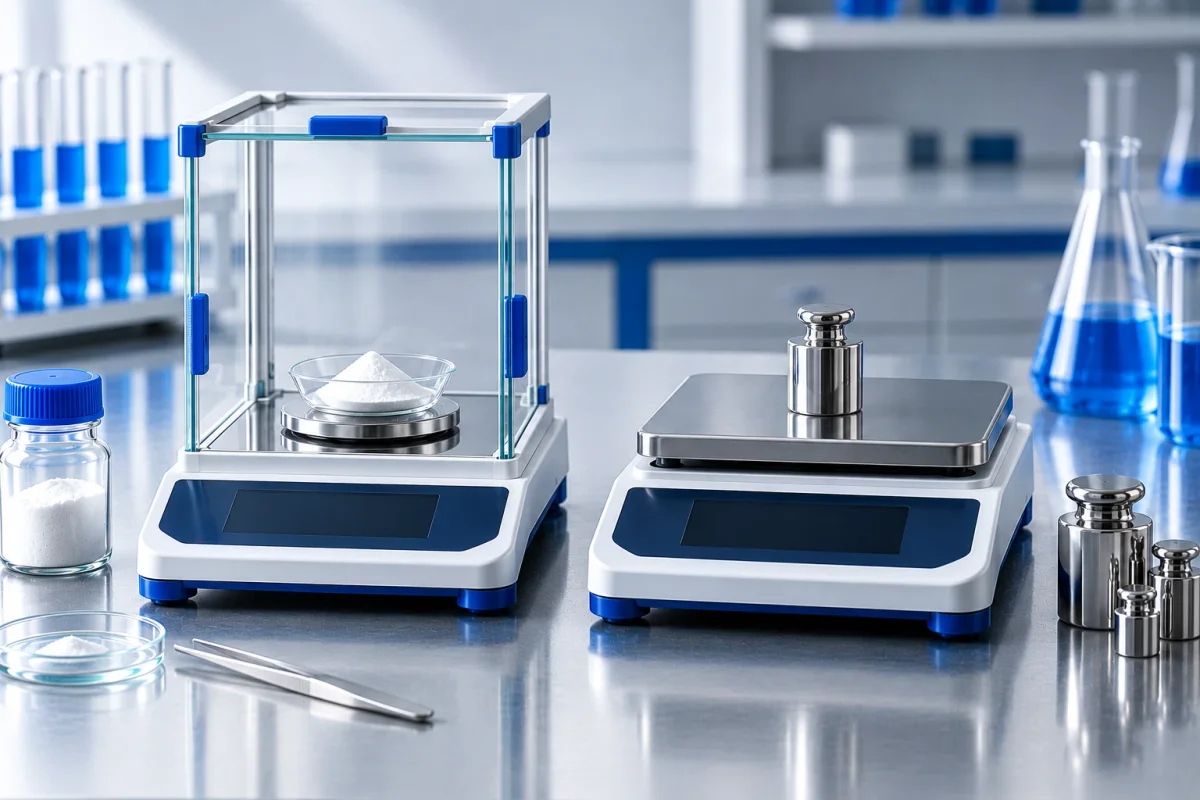
Electromagnetic Force Compensation vs. Strain Gauge Scales: Which to Choose?
Electromagnetic force compensation vs. strain gauge scales: we break down the weighing principle, laboratory scale accuracy, zero drift, and reading stability.
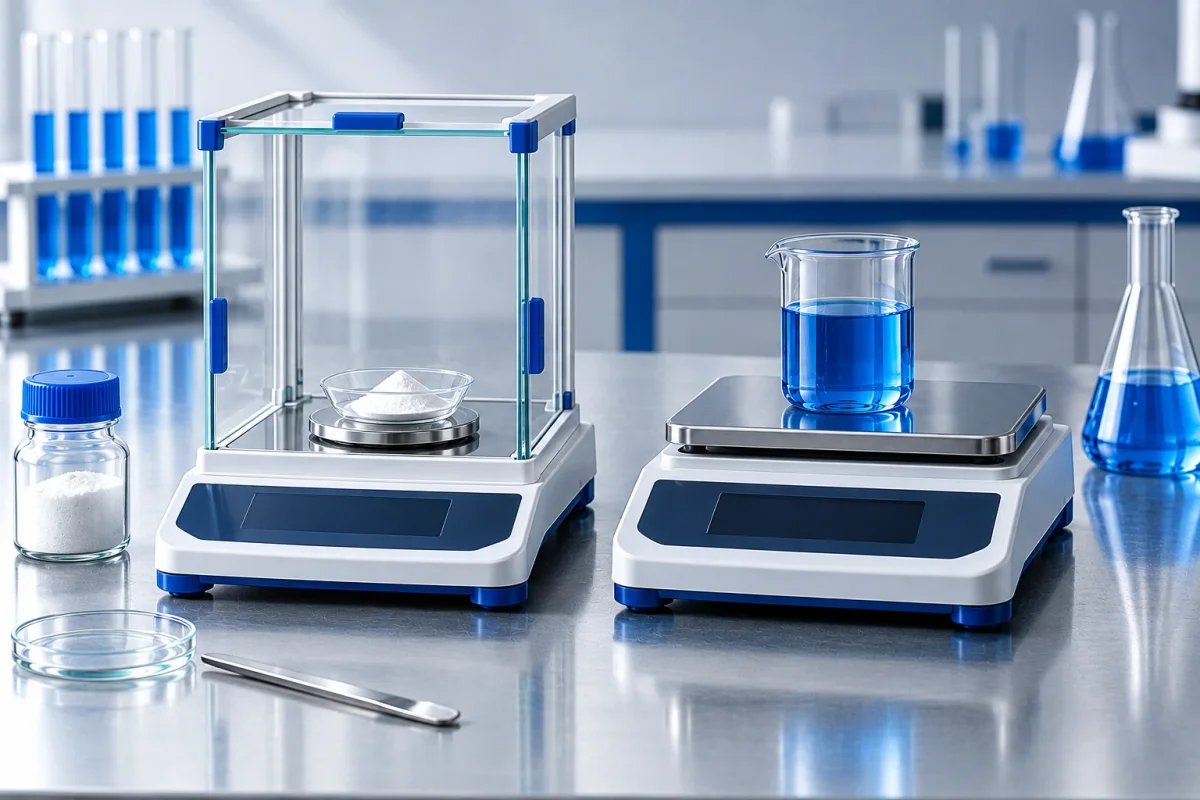
Analytical vs. Precision Balances: What's the Difference?
Analytical vs. precision balances: we break down readability, accuracy class, applications, and how room conditions affect your choice of instrument.
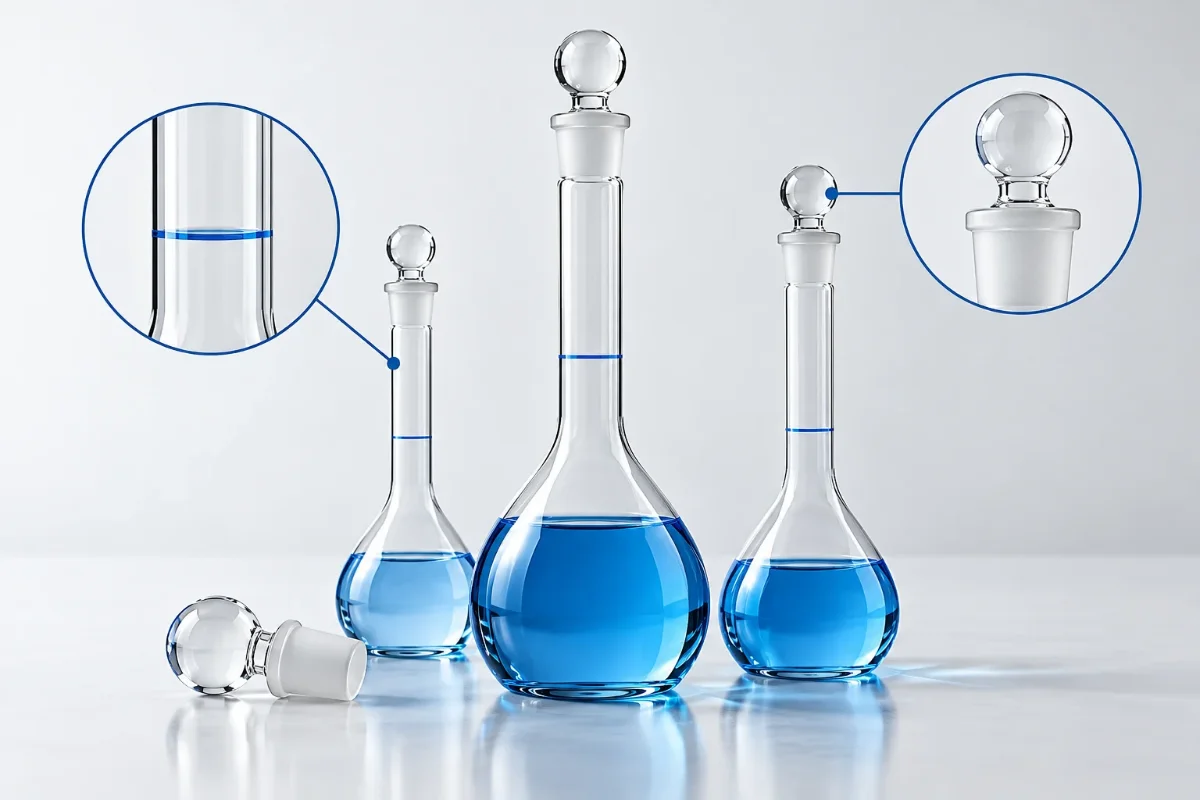
How to Choose a Volumetric Flask: Volume, Accuracy Class, Joint
How to choose a volumetric flask for your task: volumes, accuracy classes A and B, joints, calibration and care. Sample calculation, buying checklist and common mistakes.
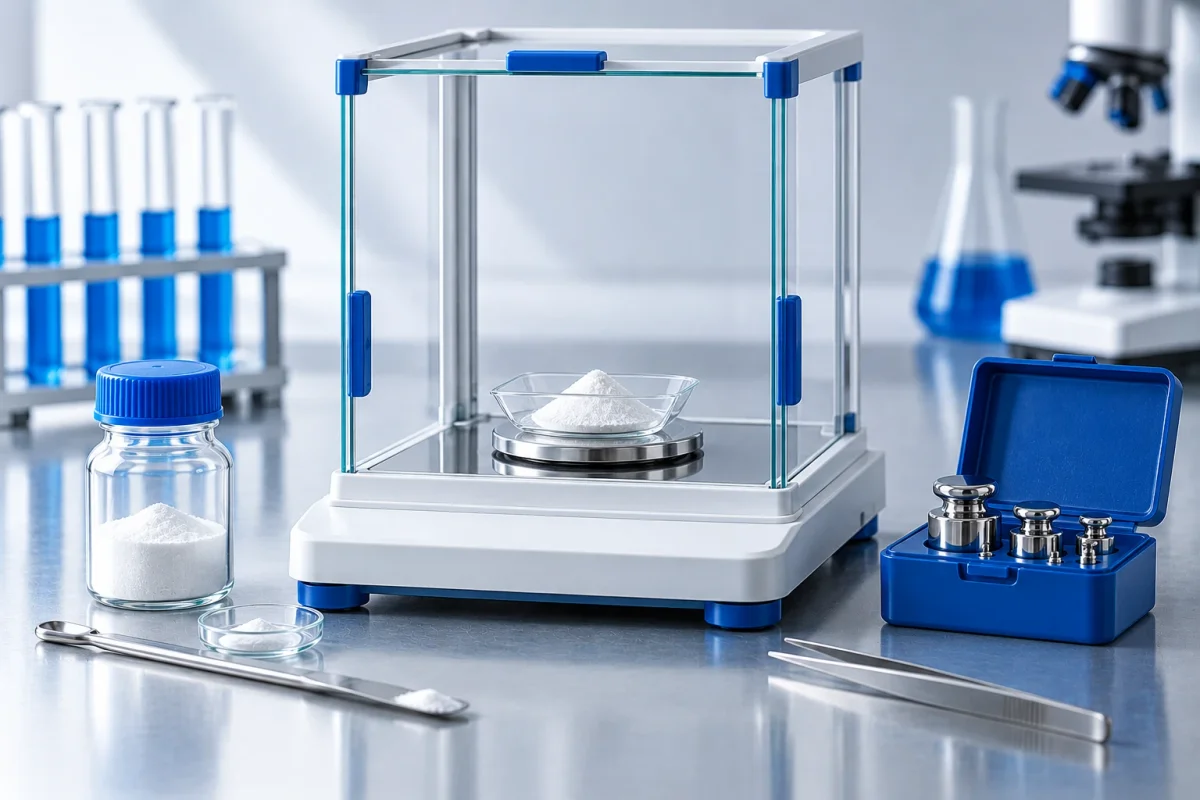
How to Choose an Analytical Balance: Readability, Capacity, and Calibration Interval
How to choose an analytical balance: we break down readability, maximum capacity, and calibration interval so you can pick a model that matches your sample sizes and methods.
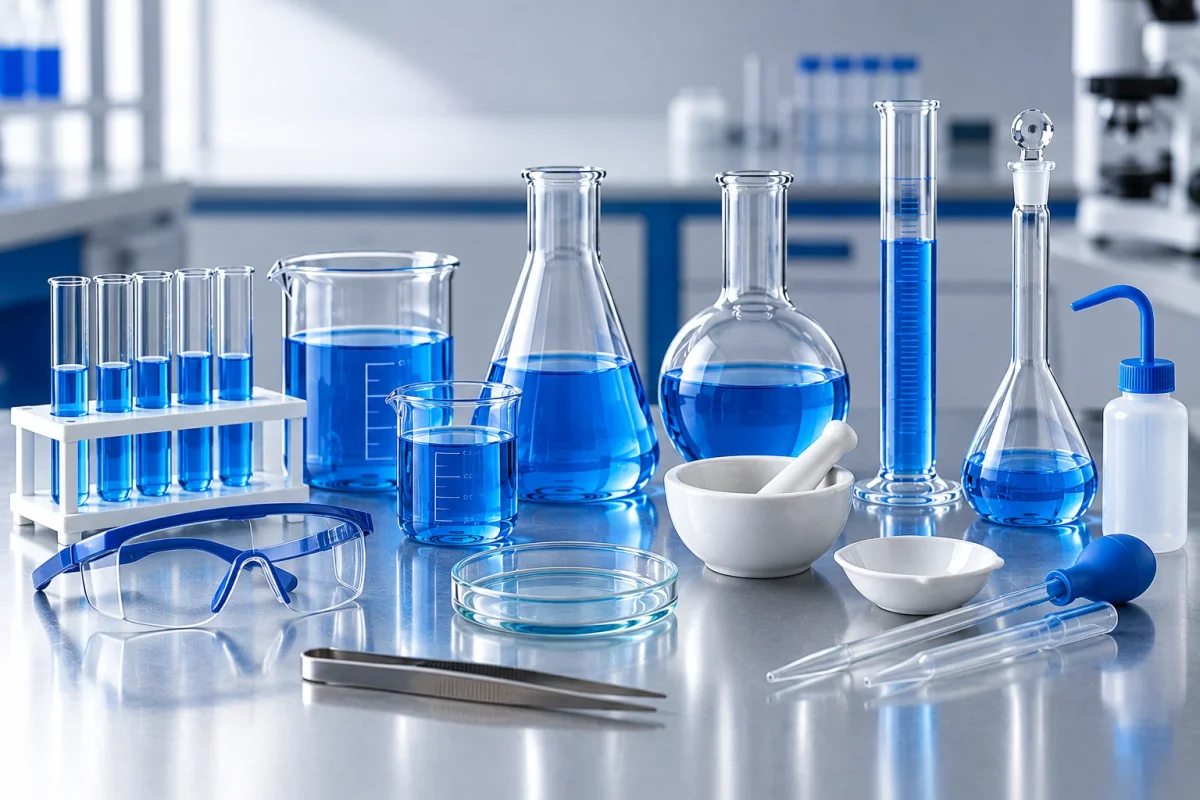
The Essential Lab Glassware Starter Kit for a New Lab
The essential lab glassware starter kit for a new lab: which flasks, beakers, and test tubes you need from day one, how to calculate quantities, and where to save without cutting corners.
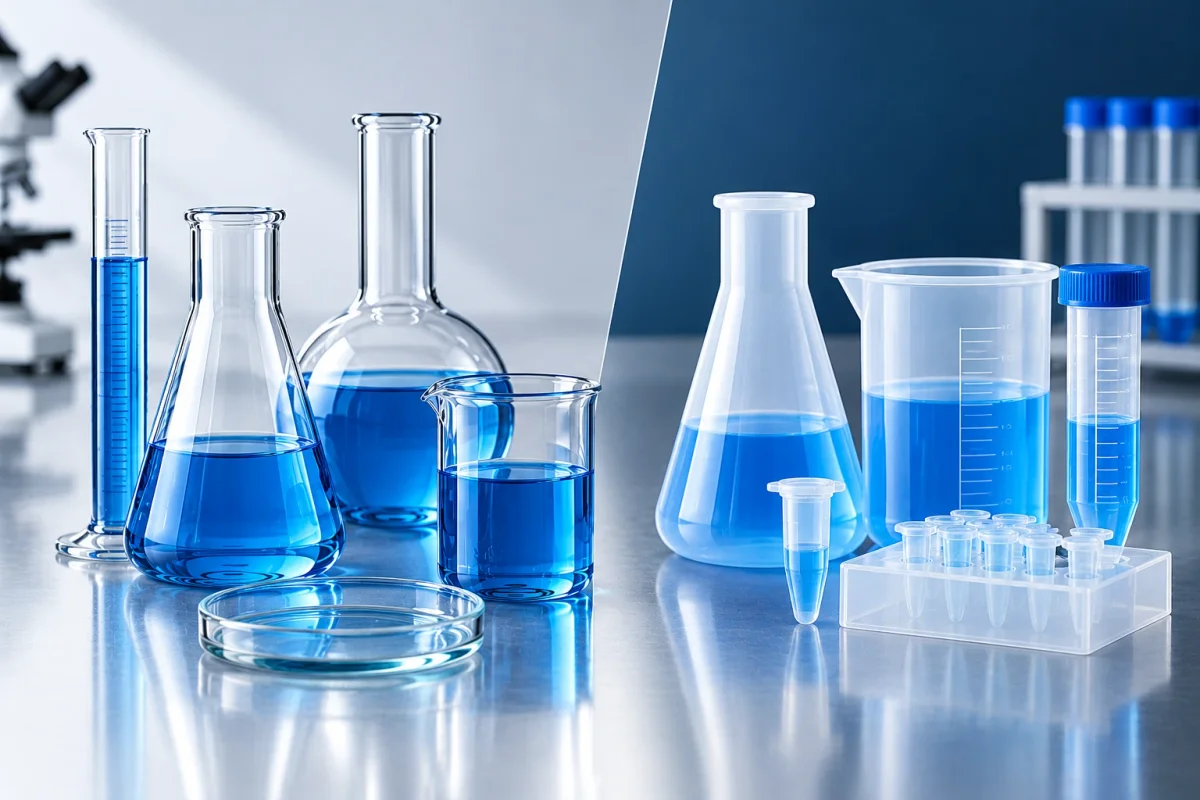
Choosing Laboratory Glassware: Glass or Plastic
Glass or plastic labware? A comparison of heat resistance, accuracy, and cost. Selection criteria, a comparison table, and a purchasing checklist.
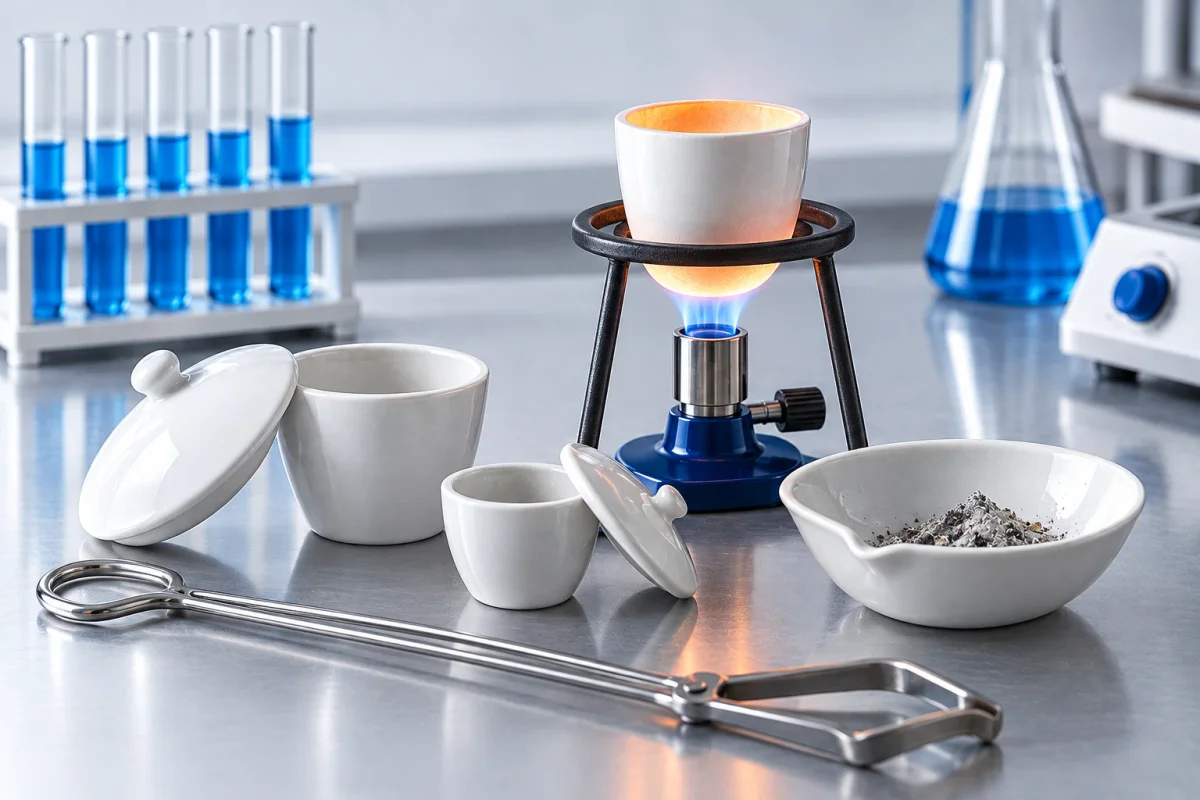
What Analyses Require Porcelain Crucibles and Dishes
Which analyses call for porcelain crucibles? Ignition, ashing, gravimetric analysis, evaporating dishes. How to choose the right size and prepare glassware.
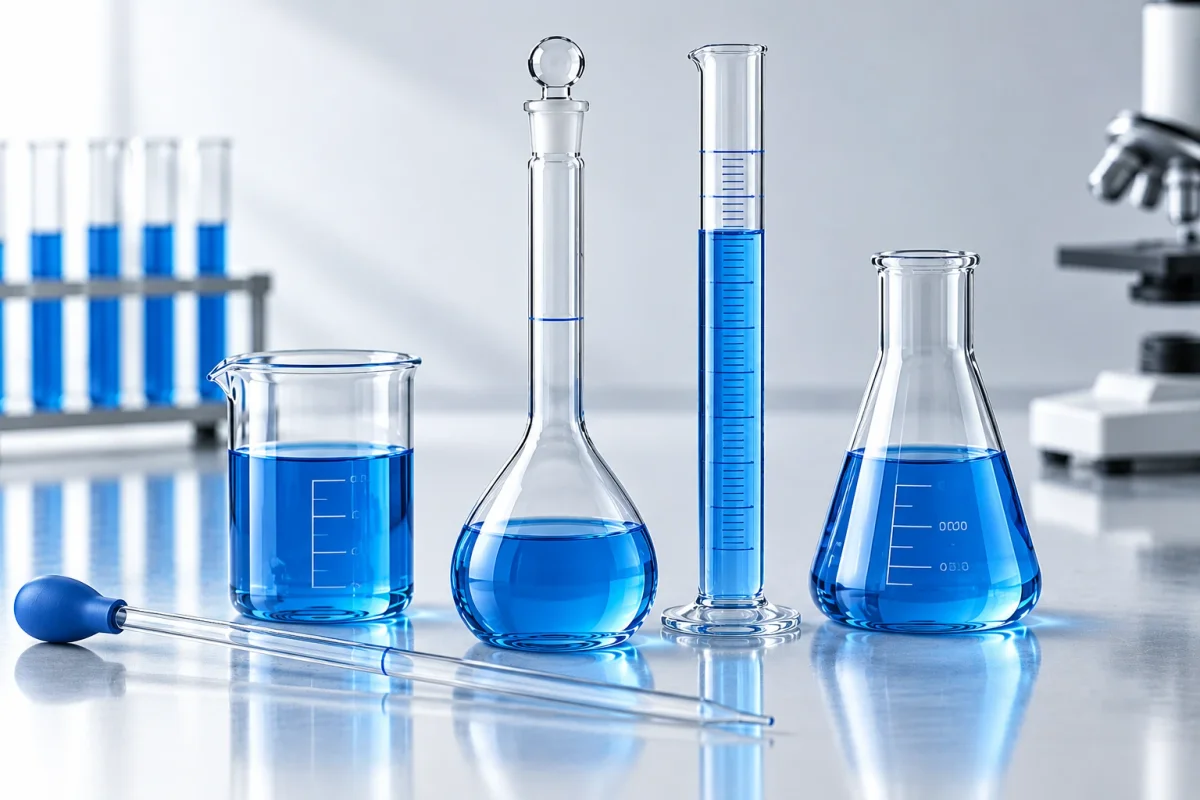
Markings on Volumetric Glassware: What the Labels on Flasks and Cylinders Mean
Volumetric glassware markings explained: how to read labels on volumetric ware, accuracy class, nominal flask volume, tolerance, and graduation interval of a graduated cylinder.
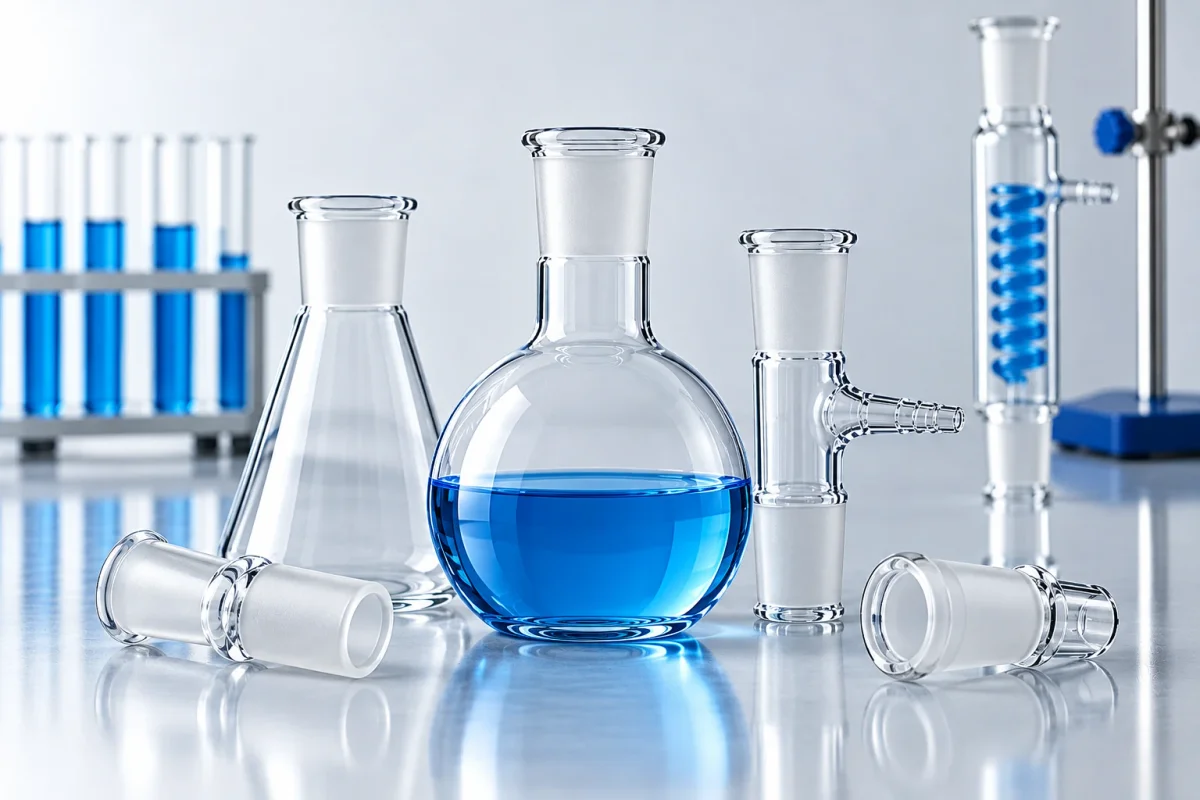
Ground Glass Joint Sizes: How to Match Connections
Ground glass joint sizes: how to read the markings, tell conical (KSh) from spherical (SSh) joints, and check compatibility and tightness before ordering.
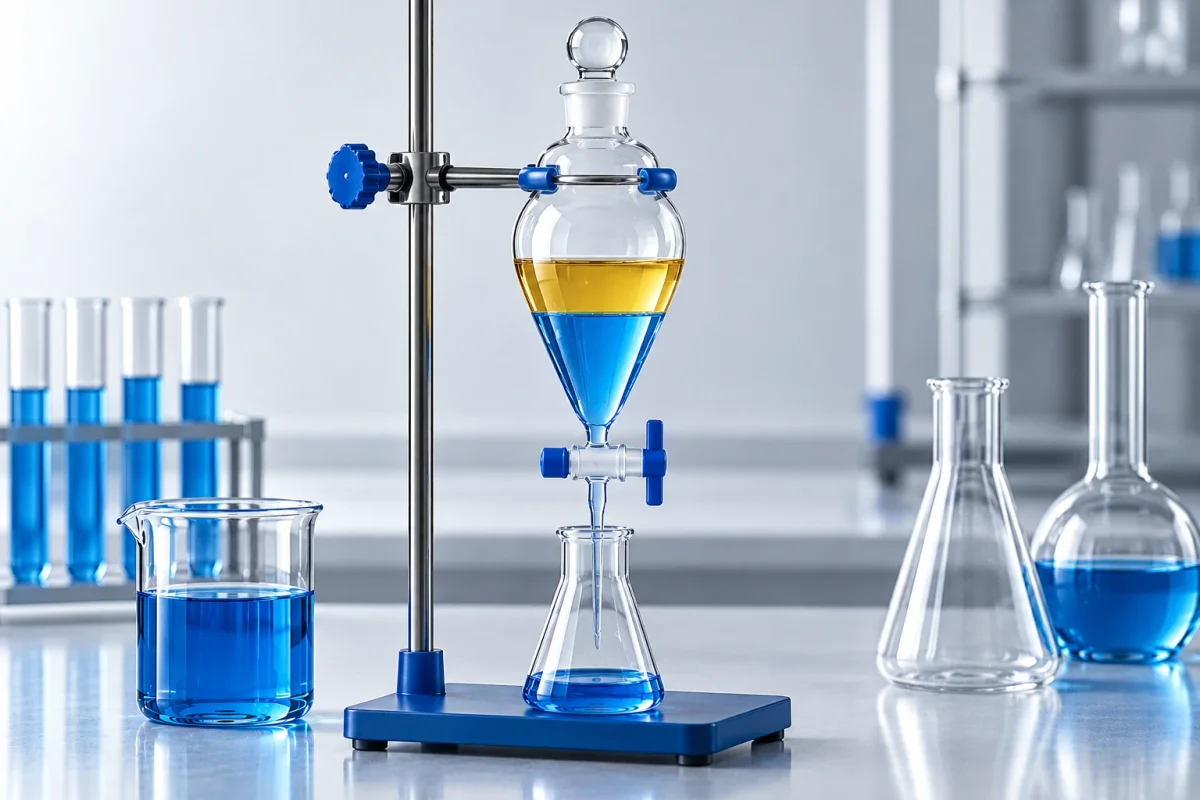
How to Use a Separatory Funnel for Extraction
How to use a separatory funnel: assembly, leak check, extraction, phase separation, stopcock lubrication, and dealing with emulsions.
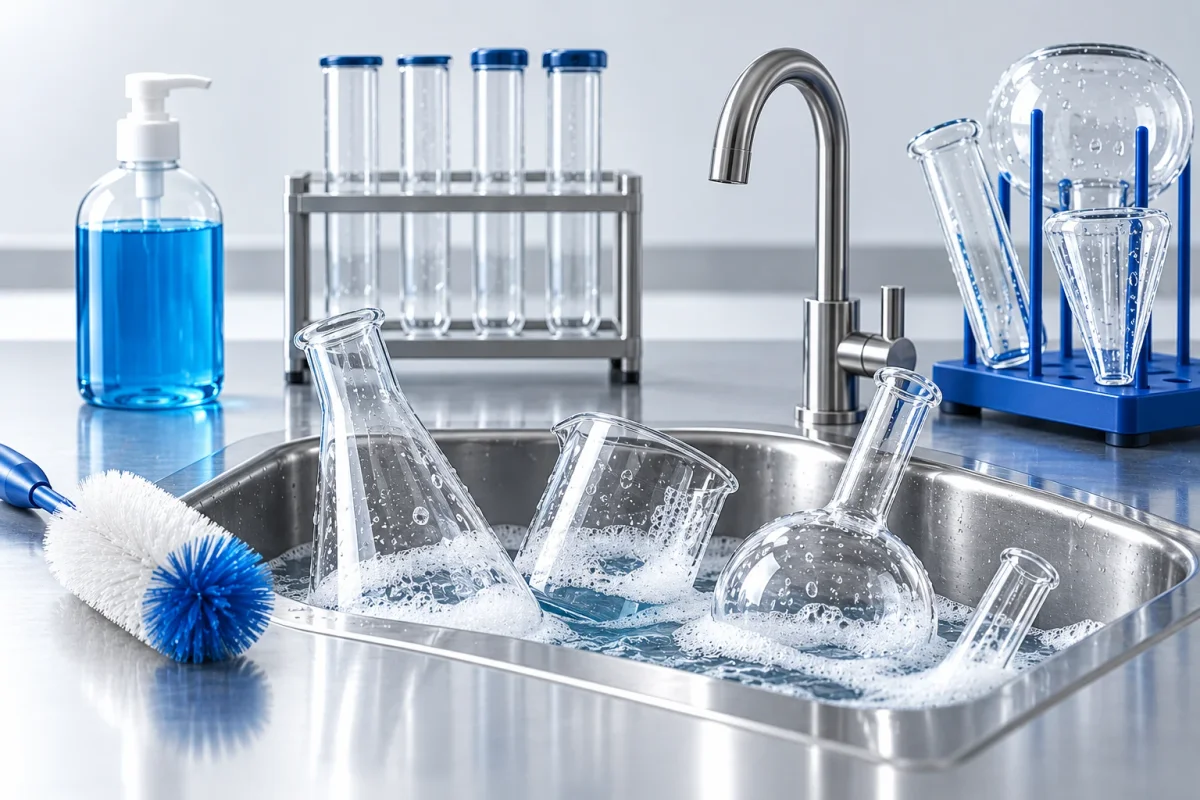
How to Wash Laboratory Glassware — Methods and Common Mistakes
How to wash laboratory glassware: understanding types of contamination, a step-by-step procedure, choosing the right detergent, drying, cleanliness checks, and common mistakes.
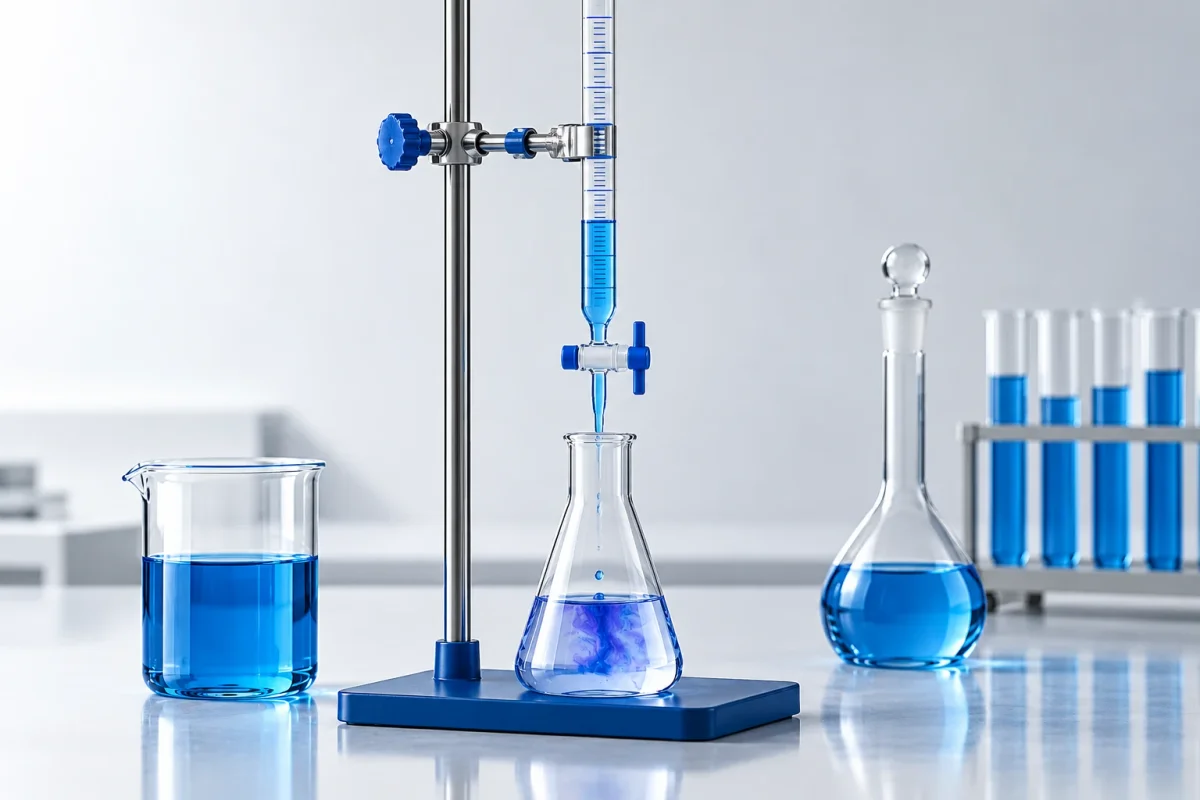
How to Titrate Correctly with a Burette Without Making Mistakes
How to titrate correctly with a burette: preparing the burette for titration, choosing a burette and stopcock, reading the bottom meniscus, calibration, and titration error.
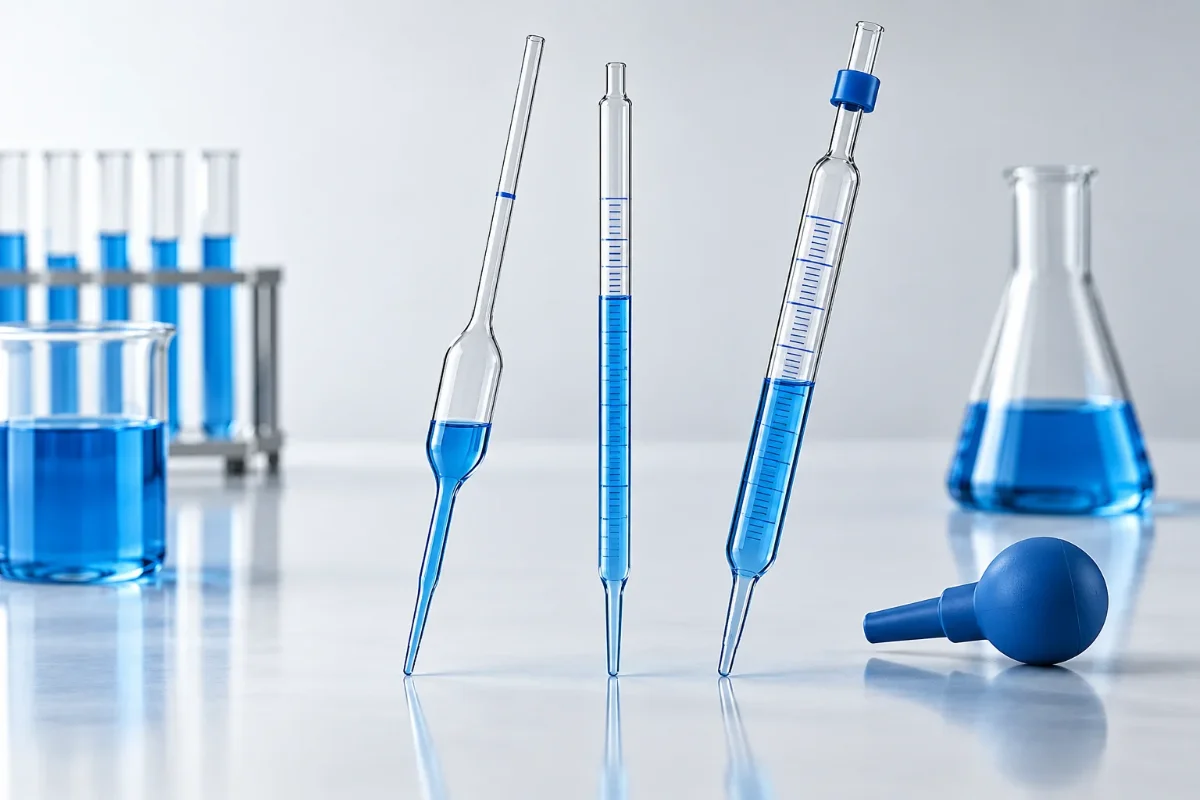
How to Choose a Laboratory Pipette: Volumetric, Graduated, or Serological
How to choose a pipette for your lab: we break down volumetric, graduated, and serological pipettes, accuracy classes, materials, and handling rules for a smart purchase.
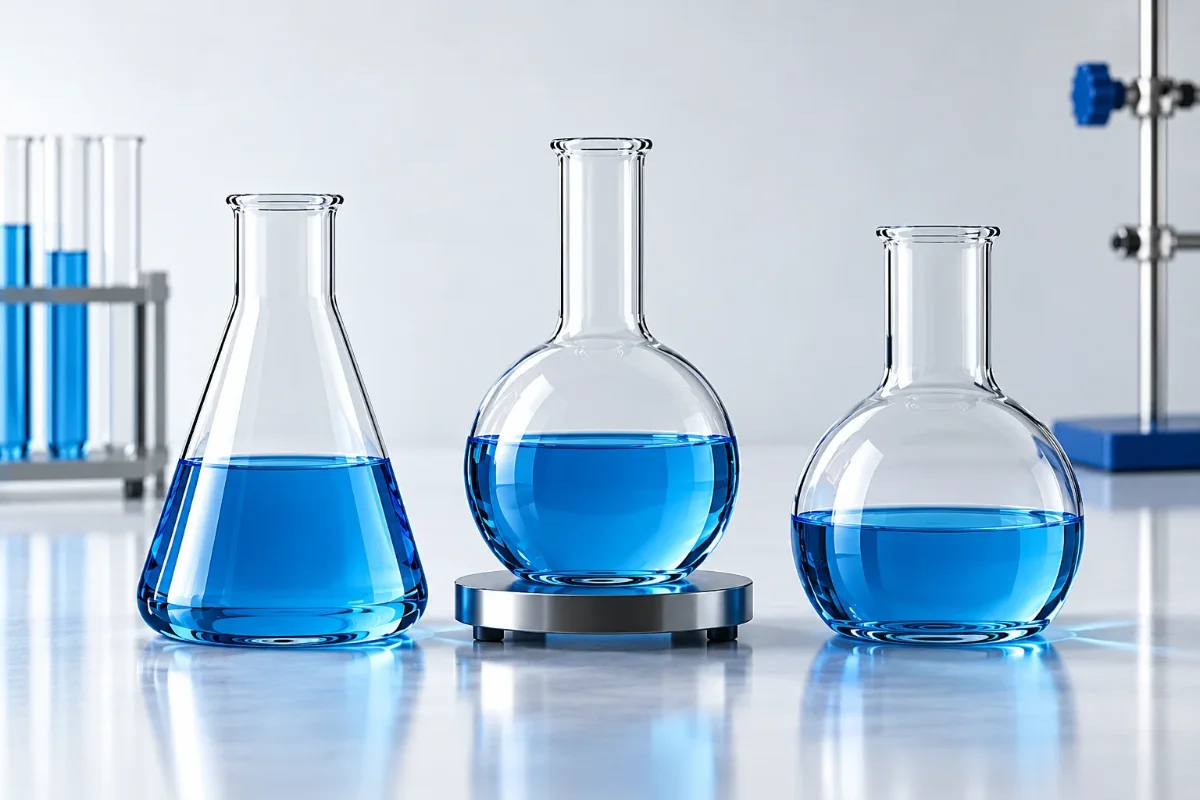
What Are Erlenmeyer, Round-Bottom, and Flat-Bottom Flasks For?
What Erlenmeyer flasks are for: a breakdown of lab flask types, uses, ground joints, volume selection, and a checklist for choosing lab glassware.
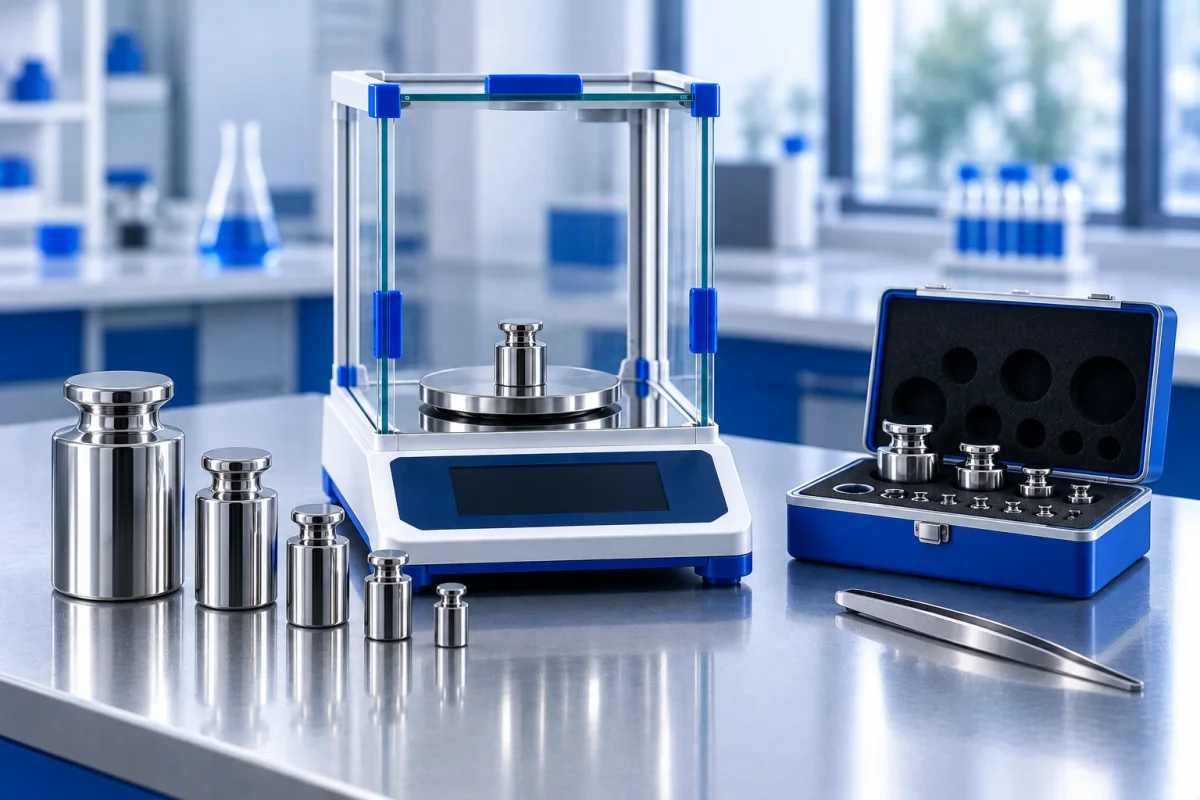
Calibration Weights for Scales and Their Accuracy Classes
Calibration weights for scales: OIML R 111 and GOST accuracy classes, how to choose a weight for analytical, precision, and industrial scales based on maximum permissible error.
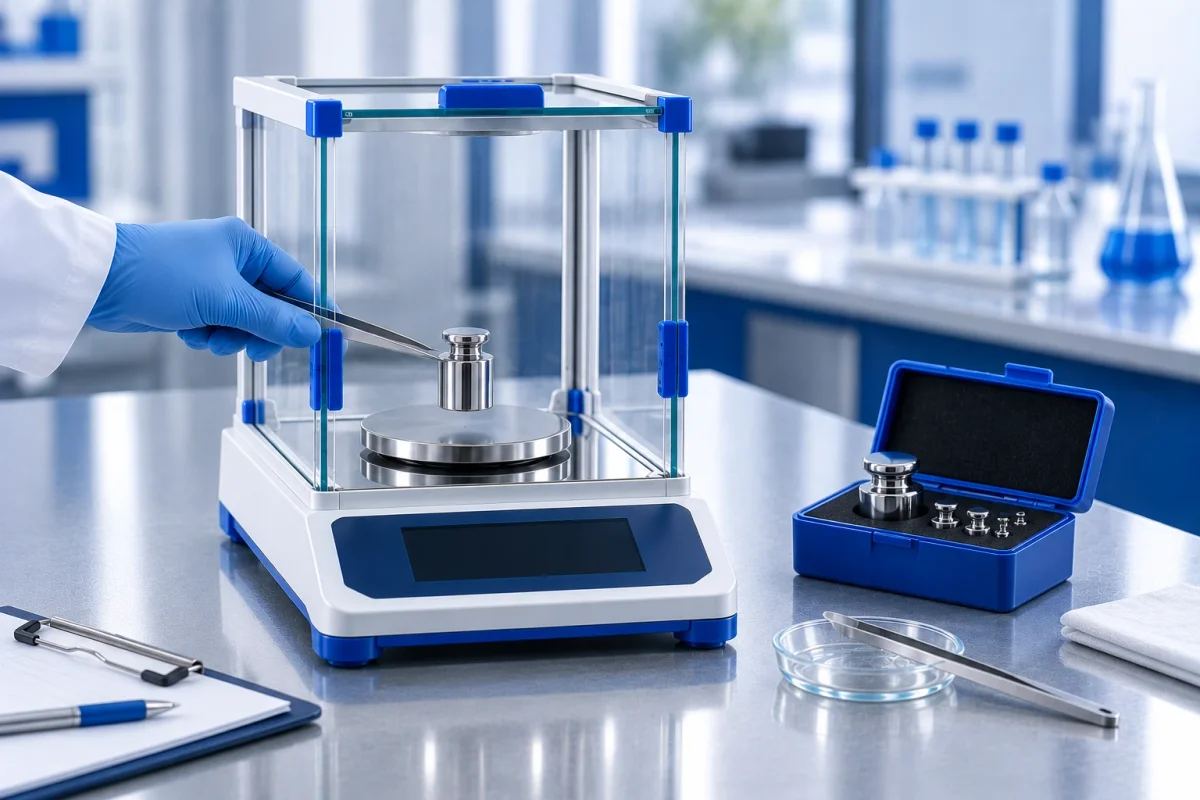
Daily Verification of Laboratory Balances
Daily verification of laboratory balances takes 5–10 minutes: checking zero, repeatability, and sensitivity, keeping a balance log, granting work approval, and actions on deviation.
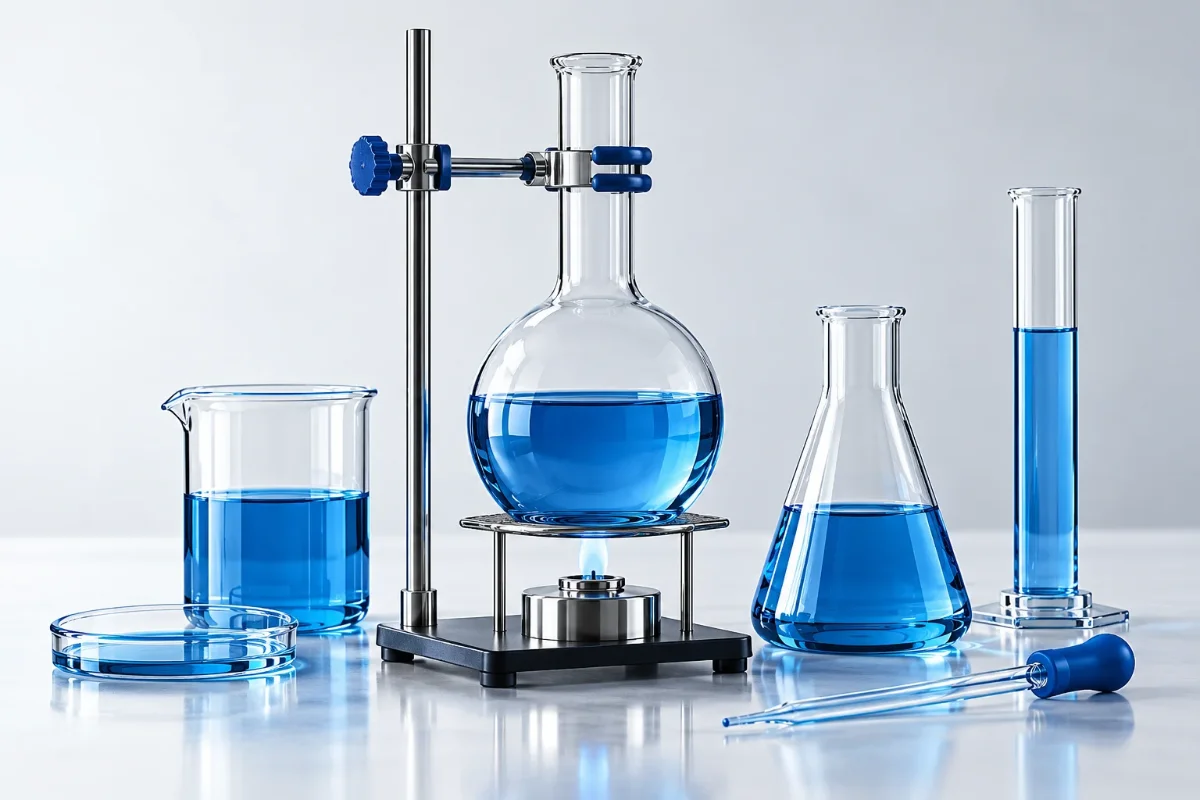
Borosilicate Glass 3.3 – Why Labware Is Made From It
Borosilicate glass 3.3: composition, markings, receiving inspection, comparison with soda-lime glass, calculating your glassware inventory, and care rules for laboratory glassware.
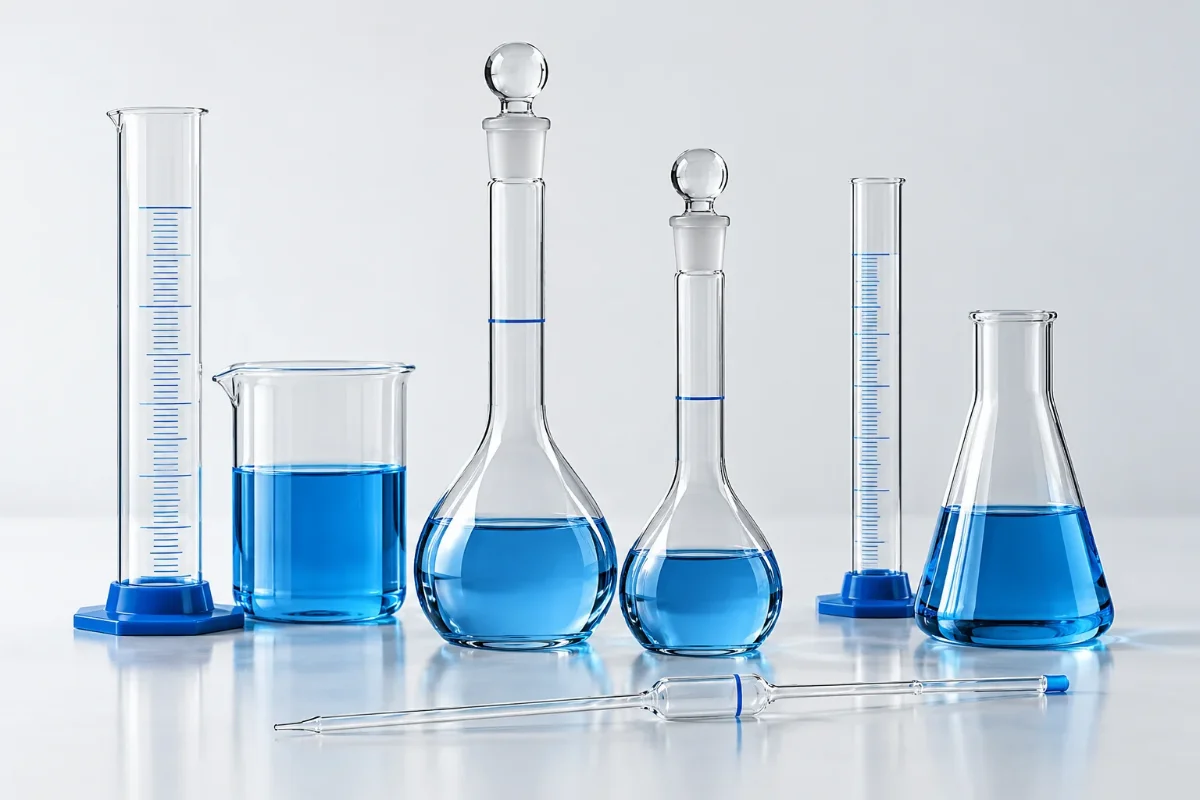
Class A vs Class B Volumetric Glassware: What's the Difference and When Do You Need Each
Class A and Class B volumetric glassware differ in allowable tolerance, marking, and verification requirements. How to buy the right volumetric glassware in Tashkent for your specific needs.