
Weighing
Analytical, precision and laboratory balances: choosing by readability and task, installation, calibration and verification.

Determining Sample Moisture with a Moisture Analyzer vs. a Drying Oven
Determining sample moisture with a moisture analyzer: sample preparation, weighing and drying temperature, repeatability, comparison with a drying oven, and choosing the right equipment.
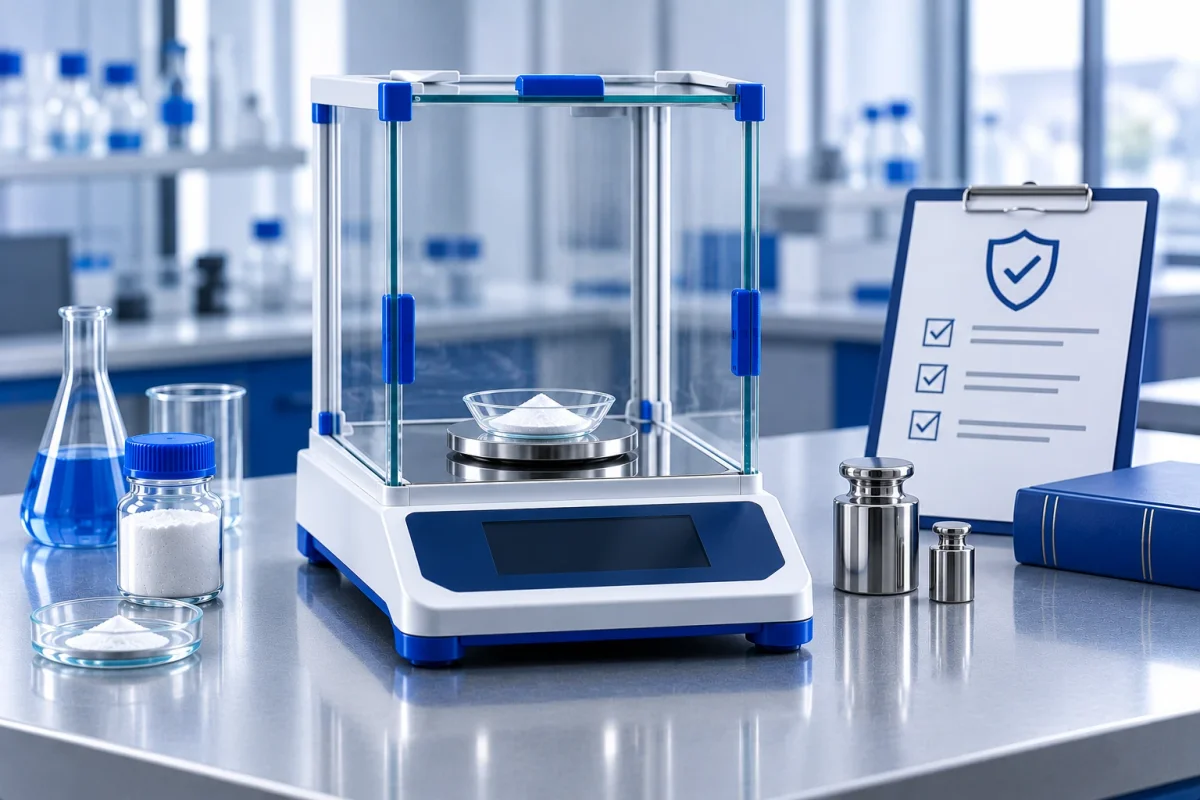
Pharmacopoeial Requirements for Laboratory Balances
Pharmacopoeial requirements for laboratory balances: standards, verification, calibration, IQ OQ PQ qualification, daily check log, and balance installation.

Sartorius Laboratory Balances for Every Task
Sartorius laboratory balances: what sets analytical and precision models apart, 0.1 mg readability, how to choose a lab balance, calibration and setup.

What Is the Minimum Sample Weight and Why It Matters
What minimum sample weight is, how to calculate it, how it differs from readability and error, which balance you need, and how to check your instrument in 15 minutes.
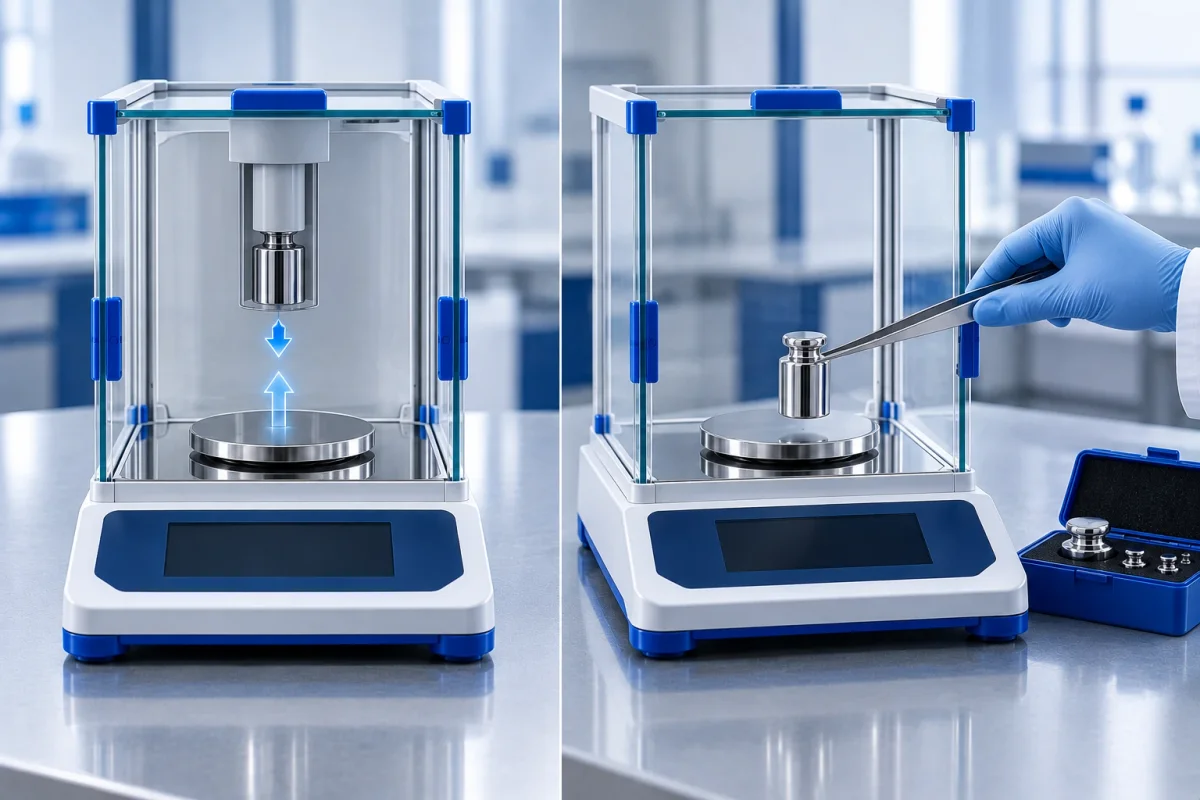
Internal vs. External Calibration of Balances: What's the Difference?
Internal vs. external calibration of balances: how automatic and manual calibration differ, how often to calibrate, weighing accuracy, and verification of laboratory balances.

How to Eliminate Static Electricity When Weighing
Eliminate static electricity when weighing: grounding laboratory balances, antistatic mat, air ionizer for balances, and humidity control.

Why Your Scale Readings Are Unstable and How to Fix It
Why does your scale give unstable readings? We break down the causes: vibration, drafts, static, sensor wear. How to eliminate instability and when to call for service.

How to Set Up Analytical Balances the Right Way
How to install analytical balances correctly: room requirements, choosing the right bench, protection from vibration and drafts, leveling, warm-up, and calibration.

Electromagnetic Force Compensation vs. Strain Gauge Scales: Which to Choose?
Electromagnetic force compensation vs. strain gauge scales: we break down the weighing principle, laboratory scale accuracy, zero drift, and reading stability.

Analytical vs. Precision Balances: What's the Difference?
Analytical vs. precision balances: we break down readability, accuracy class, applications, and how room conditions affect your choice of instrument.

How to Choose an Analytical Balance: Readability, Capacity, and Calibration Interval
How to choose an analytical balance: we break down readability, maximum capacity, and calibration interval so you can pick a model that matches your sample sizes and methods.
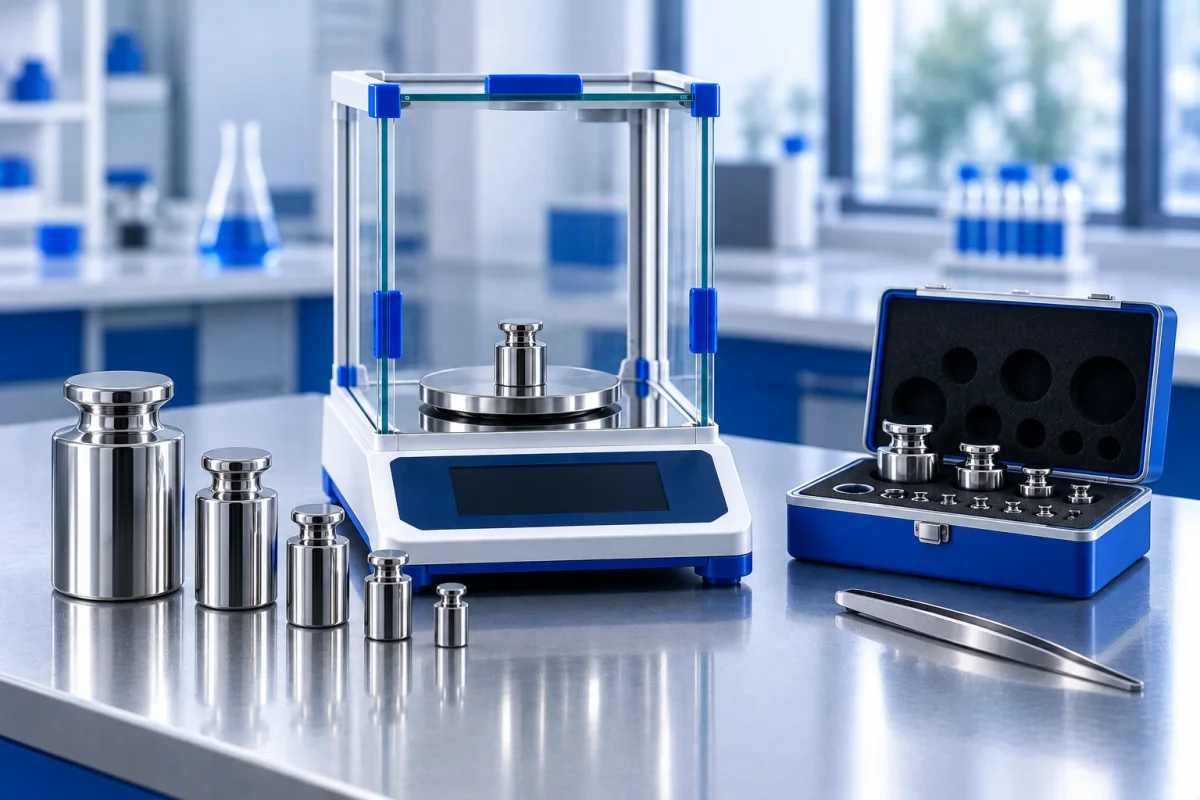
Calibration Weights for Scales and Their Accuracy Classes
Calibration weights for scales: OIML R 111 and GOST accuracy classes, how to choose a weight for analytical, precision, and industrial scales based on maximum permissible error.
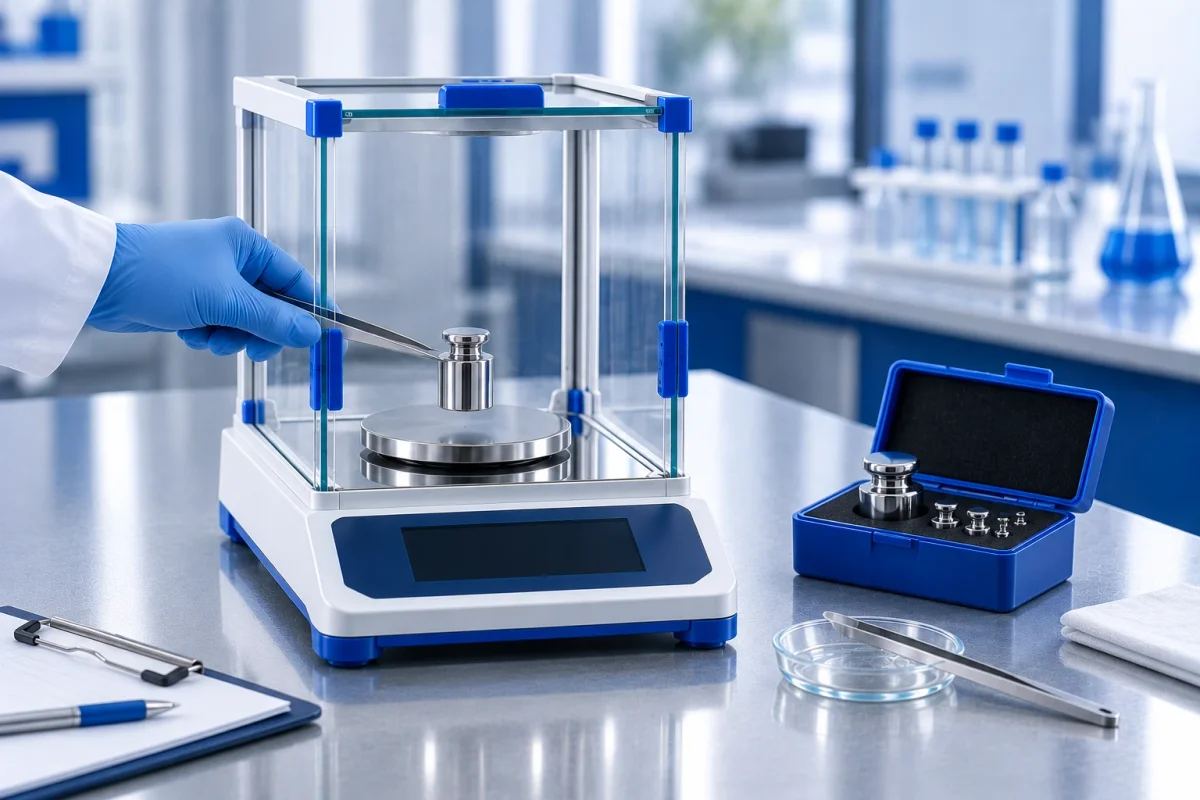
Daily Verification of Laboratory Balances
Daily verification of laboratory balances takes 5–10 minutes: checking zero, repeatability, and sensitivity, keeping a balance log, granting work approval, and actions on deviation.